
The one view of your brand that nobody inside the company has ever had.
The most useful hour we spend with a new client costs us nothing and involves a printer.
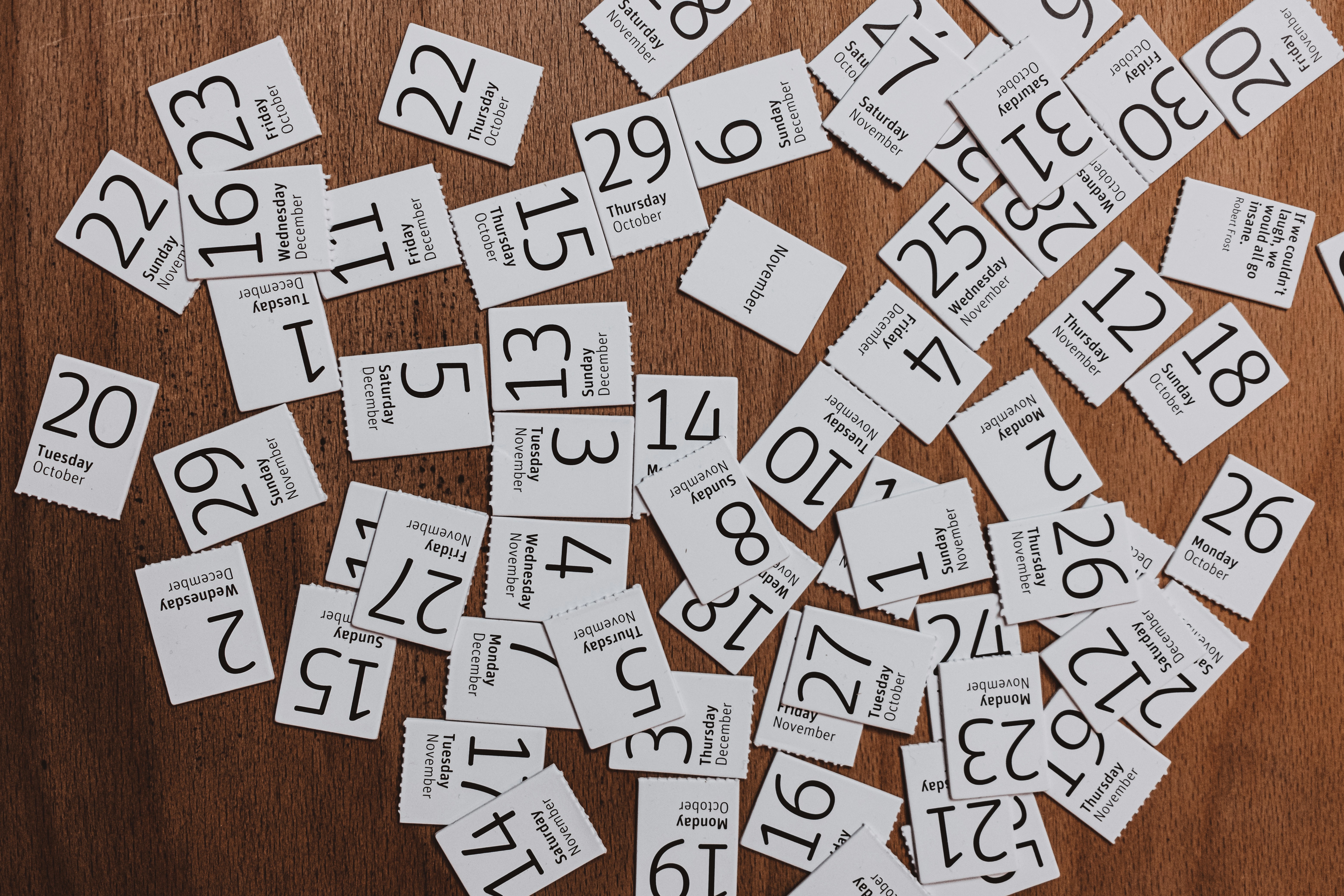
Before the first session I ask for three things. The website. The most recent deck that went to anyone outside the business. The last twenty pieces of social. We print all of it, and we put it up on one wall in the order it was made.
Then we sit down and read it. Together, in one sitting, without commentary.
I used to fill that silence, early on, because it felt like the room was waiting for me to perform some analysis. I have learned not to. Somewhere around the four minute mark, someone in the client's team always says something. It is usually half a sentence. Oh. Or, more often, a slightly embarrassed laugh and when did we start saying that?
I have never once had to explain what is wrong.
Why nobody has ever seen this
The reason that wall lands so hard has nothing to do with the quality of the work on it.
Everything a company publishes gets approved separately. The deck is reviewed as a deck, by people thinking about a raise. The website is signed off as a site, in a process that takes three months and exhausts everyone. The post is checked the morning it goes out, usually by someone with four other things open and a call in ten minutes.
So there is exactly one view of the brand that no one inside the business has ever had, and it happens to be the only view that matters. All of it. Near enough at once. In whatever order a stranger stumbles across it.
Your buyer does not experience your brand in the order you made it, or in the categories you organise it by. They find the deck through a friend, land on the website two weeks later, and read four posts on a Sunday night while deciding whether to email you.
That is the sequence. Nobody has ever reviewed it.
The four companies on the wall
The specifics change every time. The shape almost never does. Three or four different companies appear up there.
There is the confident one from the deck. Written for investors, usually under pressure, and usually containing the sharpest sentence the business has ever produced about itself. It is also the version fewest people have seen, because it lives in a file.
There is the careful one from the website. Written two years and one positioning ago, when the company was smaller and the language was chosen by committee. Revisiting it is a big job, so it sits there, quietly describing a business that no longer exists.
There is the human one from the founder's own posts, which is frequently the truest thing in the room. It has never been treated as brand material. It is just the founder, being themselves on a platform, saying the thing everyone in the company would agree with if anybody asked them.
And there is a fourth voice from whoever runs the channels day to day. Competent work, produced against a brief that was mostly a list of topics, doing its honest best to guess at what the brand sounds like.
Nobody made a mistake. That is what makes this exercise uncomfortable rather than defensive, and it is why I do not editorialise while the room reads. There is nothing to accuse anyone of. Four sets of good decisions, made at different times, answering different questions, with nothing above them holding a line.
The word for what is missing
The word is coherence, and it is the least glamorous thing we sell.
Clarity gets the attention, because clarity is the insight, and insight is enjoyable to buy. Consistency gets respect, because it is visible effort over time. Coherence sits in the middle doing the unglamorous work of making sure nothing contradicts anything else.
It is also the only one of the three your buyer directly experiences. Nobody encounters your clarity. They encounter four things you made, and form a view about whether those things came from a company that knows what it is.
Now, the objection I get at this point, every single time, is that this sounds like flattening everything into one voice, and that the people reading on LinkedIn are not the people watching on Instagram.
They are not, and coherence does not mean identical. The same brand should be warm on a Tuesday night and considered when there is real money on the table, the same way you speak differently to a client and to a friend without becoming two people. Those are registers of one voice.
The test is not whether two pieces sound the same. It is whether somebody who saw both would believe they came from the same company, and whether what they came away believing is the thing you wanted believed.
Occasionally the honest answer is that two things should not be one brand at all. A company and its product, doing different jobs for different audiences under a single name, will never read as clear no matter how well each part is written. That is still coherence work. Coherence is not one of everything. It is nothing that contradicts.
But we already have guidelines. Why do they fail?
Most companies with this problem have already tried to solve it, and there is a document to prove it. Usually a PDF. Usually thorough. Usually opened twice, once when it was delivered and once when somebody new joined.
Guidelines fail for a reason that has nothing to do with how good they are. They ask people to be disciplined at the precise moment they are least able to be. Nobody building a deck at eleven at night is going to stop and check page 34. That is not a character flaw, it is an entirely predictable outcome, and designing around it is our job rather than theirs.
What actually holds is making the coherent thing the easy thing. A fixed structure for the email that goes out every week, so nobody has to invent one. Customer facing names for things, so internal language stays behind the wall where it belongs. Templates that only accept the right kind of content, because the wrong kind does not fit.
Systems hold a brand. Willpower does not. And asking for willpower is how a design problem turns into somebody's performance review.
How to audit your own brand this week
You do not need us for the first part of this, and I would rather you found out cheaply.
Print the homepage. Print the last deck that went out. Print twenty posts. Put them on a table in the order they were made.
Then ask three people who do not work in your marketing team to read them and describe your company back to you in one sentence each.
If you get three different sentences, you do not have a content problem. You have several companies, and right now the market is choosing between them on your behalf.