
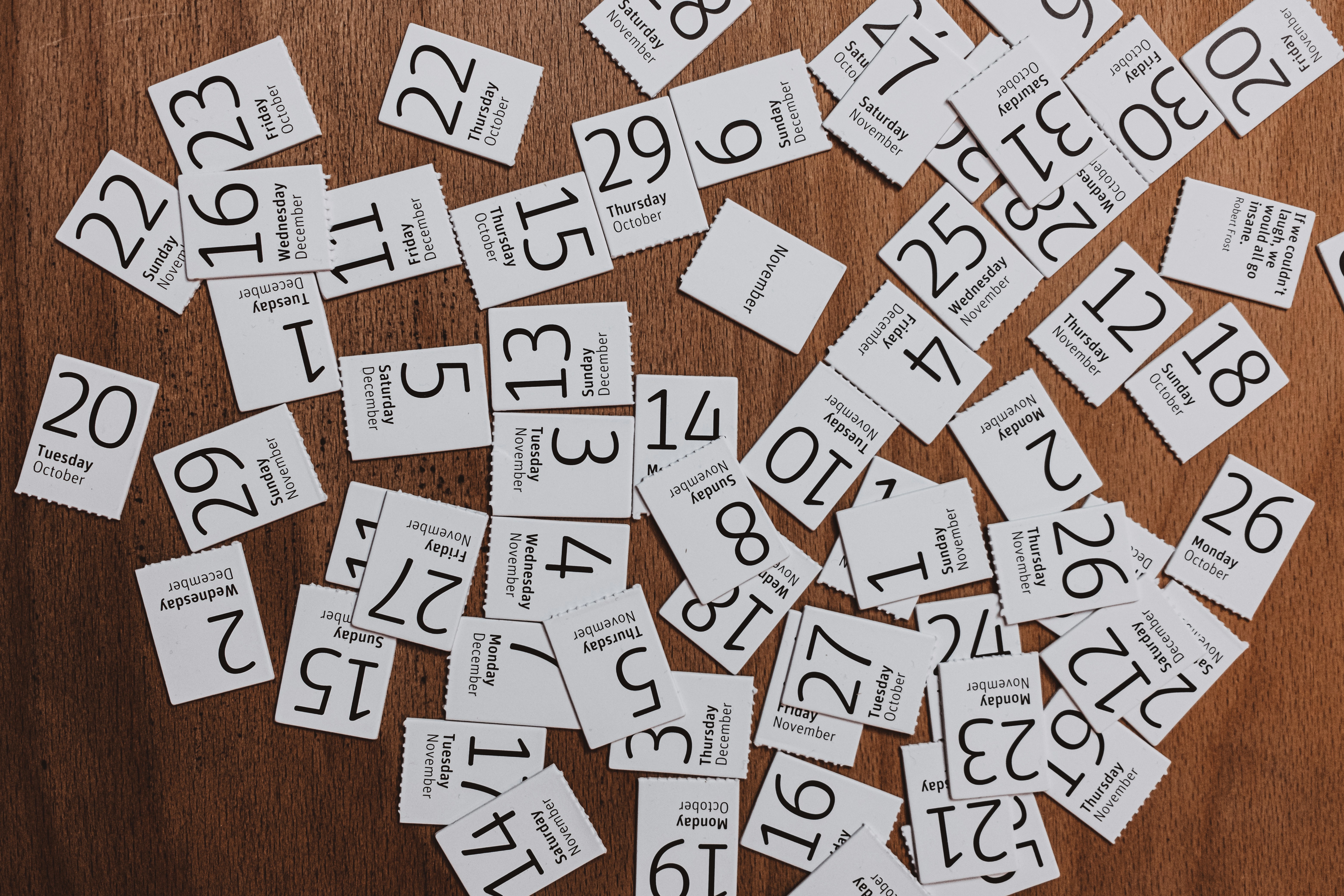
Nobody makes the decision that ruins it. That is exactly the problem. Ask a founder when the brand stopped working and you will not get a date. You will get a shrug and some version of it just sort of got away from us. That is not vagueness. It is an accurate description of what happened. Brands almost never break in a moment. Nobody signs off the thing that ruins it. They come apart slowly, through a sequence of reasonable decisions, each one correct on the day it was made. The sequence is consistent enough to set your watch by.
How it actually goes
In the early years one person writes everything. Usually the founder. The site, the deck, the emails, the posts. It is not strategic and it does not need to be, because it is all coming out of one head with one view of the world. Whatever the company is, it says the same thing everywhere by default.
Then the company grows, and the writing gets distributed. A designer builds a new landing page for a launch. Somebody makes an investor deck under time pressure and writes the sharpest language the business has ever owned, and then that language never leaves the deck. A freelancer starts running social with a brief that is mostly a list of topics. Someone in ops writes the careers page because nobody else had time. The founder keeps posting in their own voice, which by now is the only place the truth is still being said out loud.
Every one of those people did good work. That is the part that makes this hard to talk about, because there is no failure to point at. There is just no longer anything above the work telling each piece what job it is doing.
Add two years of that and you have four companies wearing the same logo.
The tell
The way this surfaces is almost always the same sentence. We need to redo the website.
The site is the one asset everybody can see, so it becomes the place the discomfort lands. It is also the most expensive possible place to discover that the site was not the problem, because a rebuild without a decision behind it produces a newer version of the same confusion. Better typography, same unanswered question, and now it is somebody's fault.
The website is rarely the first thing that drifted. It is usually the fourth or fifth. It is just the loudest.
What the request is really asking
Underneath redo the website is a better question that has not quite formed yet. Not how should this look. What are we now, and does anything we own actually say it.
That question is answerable, and the answer is not a design brief. It is a decision about what the company is that is clear enough to tell every future piece of work what to do without anyone having to ask.
Companies resist making it because it feels smaller than the problem. You have four inconsistent channels, a stale site and a team that cannot agree on tone, and the proposed fix is one sentence. It seems like a mismatch of scale.
It is not, because the four channels were never four problems. They were one problem expressed four times.
Why it costs money
The damage from drift is not aesthetic and it is not sudden. It is that every person who checks you out before a conversation pays a small tax on their confidence in you, and you never see it happen. Nobody emails to say your site made them hesitate before a tender. Nobody mentions that your deck and your website seemed to describe different companies.
You just notice, eventually, that you are qualified for work you are not being invited to bid on, and that the sales conversation takes longer than it used to, and that you keep having to explain in person what the brand should have said before you arrived.
Growth causes this. That is the uncomfortable part. The better the year, the more people making things, the more channels to fill, the faster the drift. It is a success problem, and it does not correct itself.
The fix is not more discipline from busy people. It is a decision, made once, held on purpose.